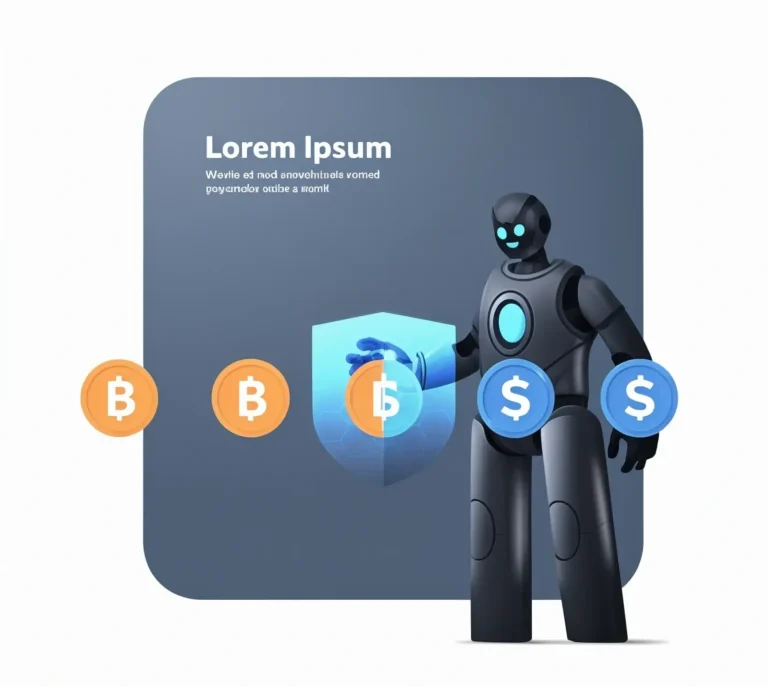
The rapid rise of stablecoins is transforming the financial landscape, compelling banks to rethink their business models. As the AI impact on the economy deepens, understanding stablecoins’ role becomes crucial for individuals and businesses aiming to seize new economic opportunities. We can no longer ignore these shifts.
Understanding the Rise of Stablecoins
Stablecoins are digital assets designed to maintain a stable value by pegging them to a reserve of assets, often fiat currencies like the US Dollar or commodities such as gold. Unlike Bitcoin, whose value is known for its volatility, stablecoins offer stability that attracts both consumers and businesses. Notable players in the market include Tether (USDT), USD Coin (USDC), and DAI, which have seen significant growth due to their ease of use and utility in transactions.
The adoption rates of stablecoins have been climbing steadily. According to recent reports, the ease of cross-border payments and lower fees associated with stablecoins significantly contribute to this trend. Businesses and consumers are recognizing the advantages of using stablecoins over traditional payment methods, particularly in increasingly inflationary economies.
The Role of AI Impact on Economy
Artificial Intelligence (AI) is increasingly influencing the adoption of stablecoins across the financial sector. AI enhances transaction processing times and security, making stablecoin transactions more appealing. The integration of AI can streamline operations, reduce fraud, and offer personalized financial services, which are vital for driving user adoption and confidence in stablecoins.
Furthermore, AI algorithms can analyze market trends and provide insights, enabling better decision-making for both banks and consumers. For instance, predictive analytics can inform businesses when to leverage stablecoin transactions, thereby optimizing their operations and financial strategies. This synergy between AI and stablecoins presents numerous opportunities for innovation in digital asset banking.
Banks Adapting to Digital Asset Banking
Major financial institutions are shifting focus toward digital assets by exploring new business models that incorporate stablecoins. Banks like Morgan Stanley are taking significant steps in this direction. Recently, the bank applied to create a digital asset bank, as detailed in reports by Crypto Economy. This move will enable them to offer services such as custody and staking for cryptocurrencies, thereby expanding their digital currency services.
The implications of this transition are profound. Traditional banks must adapt to compete effectively with innovative fintech companies that are utilizing stablecoins to disrupt conventional banking models. The decrease in reliance on intermediaries could lead to lower costs and improved services for consumers, thus reshaping the financial landscape.
The Competitive Edge of Stablecoins
Stablecoins provide a competitive advantage over conventional fiat currencies due to lower transaction costs and enhanced transaction speeds. They facilitate nearly instantaneous cross-border transactions, reducing the time and fees that businesses traditionally incur when transferring funds internationally.
Economic benefits also arise as businesses leveraging stablecoins can pass on savings to consumers, fostering a more dynamic economy. With the increasing popularity of stablecoins amongst companies like Circle, which reported a staggering 412% increase in EBITDA, it is evident that these digital assets are not only a trend but also a fundamental shift in how financial transactions are perceived and conducted. According to CEO Jeremy Allaire, stablecoins will likely drive significant economic activity as they become more integrated into payment systems globally, thus challenging traditional banking systems.As more companies integrate stablecoins into their operations, we may witness unprecedented levels of economic acceleration.

Regulatory Challenges in the Crypto Space
The rise of stablecoins does not come without regulatory challenges. Various government bodies are stepping in to establish frameworks for crypto regulations. The Office of the Comptroller of the Currency (OCC) is actively involved in proposing regulations, such as ensuring digital asset banks comply with existing banking laws.
Current regulations surrounding stablecoins are still evolving. Industry experts predict regulation will mature in the coming years, ensuring consumer protection while fostering innovation. Balancing the need for security with the desire for growth will be a significant hurdle for regulators and the financial industry at large.
Economic Impact: A Paradigm Shift
The economic implications of integrating stablecoins into the financial system are profound. Industry analysts predict that stablecoins will drive increased liquidity, create new economic avenues, and enhance financial services. As case studies emerge showcasing successful implementations of stablecoins, we may see further disruptions to traditional banking practices.
Companies embracing stablecoins often report remarkable increases in revenue and operational efficiency. For instance, Circle’s recent performance highlights how stablecoins like USD Coin can transform the economic landscape by allowing businesses to mitigate risks associated with fiat currency fluctuations. With a more substantial share of economic activities being facilitated through stablecoins, it is evident that we are on the brink of a paradigm shift in our financial systems.
How to Engage with the Future of Banking
For businesses looking to adopt stablecoins, several steps can be specific to their goals. These include educating their workforce about digital currencies, forming partnerships with established crypto firms, and keeping abreast of regulatory changes that could impact operations. Effective strategies involve integrating stablecoins into payment systems to leverage their advantages in transaction speed and cost.
Individuals, too, can equip themselves by understanding the benefits and risks associated with stablecoins. Engaging with educational resources and following trends in digital asset banking will be crucial for consumers navigating this evolving landscape. As stablecoins become mainstream, staying informed about developments may provide a competitive edge in both business and personal finance.
About The Author