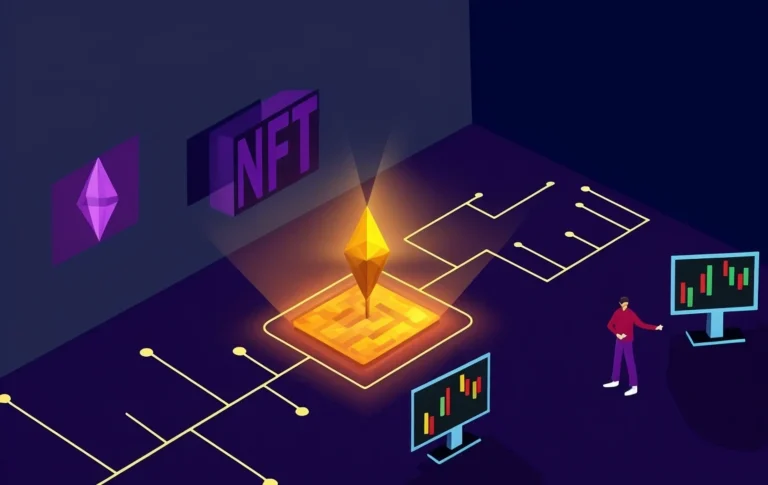
The evolving landscape of the crypto economy is increasingly influenced by sanctions evasion tactics. As geopolitical tensions escalate and illicit activity reaches unprecedented levels, understanding these shifts is crucial for stakeholders in the cryptocurrency market.
How Sanctions Evasion Reshapes the Crypto Economy
The crypto economy is at a pivotal crossroads as the rising importance of sanctions evasion presents significant challenges and opportunities. Nation-states are increasingly using cryptocurrencies to bypass international restrictions, altering the dynamics within the global financial architecture. Key players such as Russia and Iran are leveraging blockchain technologies to facilitate their operations, often complicating the regulatory landscape. For instance, state-sponsored activities, particularly in the context of sanctions, demonstrate how swiftly the crypto market can adapt. According to Chainalysis, illicit cryptocurrency activity surged to a record $154 billion in 2025, primarily driven by an increase in sanctions evasion by nation-states.
Moreover, the relationship between sanctions evasion and the broader crypto economy cannot be overstated. With sanctioned entities receiving roughly $104 billion in cryptocurrency, this marked an almost eightfold increase from previous years, reflecting a structural change in crypto crime. As a result, traditional definitions of illicit activity within the crypto space are evolving, necessitating new approaches for governments and regulators.
Geopolitical Events Driving Crypto Market Changes
High-profile geopolitical tensions are significantly influencing crypto activity. Countries like Russia, Iran, and North Korea are increasingly turning to cryptocurrencies to evade financial sanctions imposed by Western nations. This has led to observable impacts on the cryptocurrency market, as blockchain technology becomes a tool for state actors to facilitate clandestine transactions. The significance of these nations in the crypto landscape is profound, as they collectively moved over $100 billion on-chain, marking a significant shift in how sanctioned states conduct their financial operations.
As reports reveal, the shift away from traditional banking systems towards decentralized finance (DeFi) platforms allows for a greater degree of anonymity and liquidity. This is particularly advantageous for states under international scrutiny, as their ability to utilize blockchain for sanctions evasion poses substantial risks to global financial stability.
Current Trends in Illicit Cryptocurrency Activity
Record levels of illicit transactions are becoming a hallmark of the current crypto market. The rise of state-sponsored evasion tactics has propelled illicit crypto activity to new heights—an alarming trend that stakeholders cannot ignore. Notably, statistics indicate that 84% of illicit crypto transaction volume now involves stablecoins, according to Chainalysis reports.
Moreover, the nature of illicit transactions is evolving, with a marked increase in the complexity and scope of these activities. The surge in activity—from $20 billion in 2024 to $154 billion in 2025—illustrates how sanctions-driven motivations are shaping the crypto economy. Stablecoins, in particular, play a crucial role in these transactions due to their relative stability compared to other cryptocurrencies, making them a preferred choice for those seeking to circumvent sanctions and conduct illicit transactions.
Economic Impact of Sanctions on Blockchain Adoption
Sanctions have a significant impact on blockchain technology adoption, as countries facing financial isolation seek alternatives to traditional banking systems. Sanctioned states increasingly gravitate towards decentralized technologies, driving innovation within the blockchain ecosystem. As a result, these nations are reshaping investor behavior in response to new risks. Investors must now account for the implications that sanctions may have on their portfolios and the broader crypto market.
Financial institutions are also adapting to the rise of illicit activity related to sanctions evasion. As noted in recent analyses, institutions are compelled to enhance their compliance measures to mitigate potential risks associated with handling funds linked to sanctioned entities. This evolving landscape will require institutions to remain agile, tailoring their strategies to maintain compliance in a shifting regulatory environment.
Impact on Regulations and Compliance
The regulatory landscape is changing rapidly in response to the growing trend of sanctions evasion within the crypto economy. Governments are under pressure to enhance their frameworks to address the sophisticated nature of these activities. The challenges for compliance are significant, as businesses navigate the intricate balance between innovation and regulatory compliance.
Stakeholders in the crypto space must stay aware of new regulations aimed at curbing illicit activities while capitalizing on the opportunities presented by blockchain technology. As the dynamic between governments and cryptocurrency continues to evolve, the future implications for businesses operating in this sector will be profound. New legislation will likely emerge, influencing how entities engage with cryptocurrencies and the degree of scrutiny they face in the marketplace.
Actionable Steps for Navigating the Evolving Market
For stakeholders in the crypto economy, there are several actionable steps to navigate the complexities of the market amidst rising sanctions evasion. Firstly, it’s essential to establish best practices for risk management that account for the shifting regulatory landscape. Here are some strategies:
– Enhance compliance protocols: Develop comprehensive plans that reflect the latest regulations and incorporate measures to identify and mitigate risks associated with sanctions evasion.
– Stay informed: Regularly monitor geopolitical developments that may impact the crypto economy. Understanding the motivations behind sanctions can provide critical insights.
– Diversify investments: By spreading investments across various assets, stakeholders can better insulate themselves from potential fallout.
In conclusion, the intersection of geopolitical events and the crypto economy is evolving. Those engaged in this sector must remain vigilant and adaptable as they prepare for the challenges and opportunities that the changing landscape presents.
About The Author