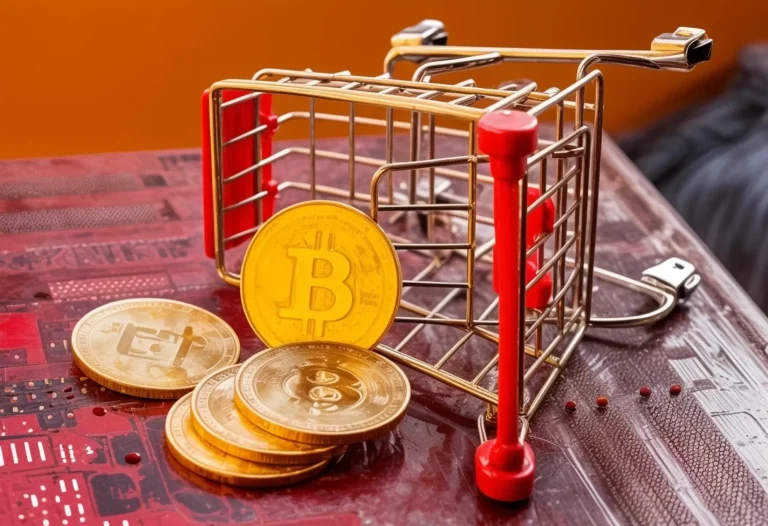
Economic uncertainty forces businesses to adapt, and Payoneer is utilizing stablecoins to enhance transaction stability amidst volatility. As the crypto economy evolves, understanding the role of stablecoins becomes crucial for businesses like Payoneer navigating these changes.
Economic Volatility and Its Impact on Businesses
Businesses worldwide face significant challenges amid current economic volatility, marked by fluctuating currencies and trade uncertainties. The instability of exchange rates can hamper international trade, leading to potential losses and reduced profitability. As currencies devalue or strengthen unpredictably, businesses struggle to maintain stable pricing and budget planning.
Financial innovation emerges as a critical tool to mitigate these risks. It provides companies with the resources necessary to adapt to a rapidly changing environment. According to recent reports, the need for businesses to diversify and implement effective risk management strategies has never been more urgent, especially during distinctive economic shifts like reflation.
The adaptation to these changing economic conditions often includes exploring new financial instruments such as stablecoins. By employing stablecoins, companies can minimize currency risks and streamline international transactions, thus enhancing their operational capabilities.
How Payoneer Leverages Stablecoins for Stability
Payoneer has embraced stablecoins as a core component of its financial strategy to ensure transaction stability. By using stablecoins in its payment processes, Payoneer can effectively mitigate the volatility commonly associated with cryptocurrencies, making transactions more predictable and reliable. This innovation allows Payoneer to provide a secure and efficient cross-border payment experience to its clients.
The benefits of integrating stablecoins into Payoneer’s system are clear. Not only do they offer a safeguard against fluctuating crypto valuations, but stablecoins also enhance transaction speed and reduce the cost associated with traditional banking intermediaries. Furthermore, Payoneer has successfully implemented stablecoin transactions, as noted by industry experts who highlight the company’s ability to navigate these complex financial terrains.
Case studies illustrate how Payoneer’s adoption of stablecoins has improved its operational efficiency. For instance, in regions where local currencies suffer from significant inflation, stablecoins can maintain purchasing power and decrease transaction costs, thereby empowering businesses to conduct smoother international operations.
The Rise of Fidelity Stablecoin and Institutional Trust
The launch of Fidelity’s dollar-pegged stablecoin, known as FIDD, marks a significant milestone in the acceptance of stablecoins within the traditional financial landscape. Backed by cash reserves and U.S. Treasuries, FIDD offers an added layer of security for users, which is essential for fostering confidence among institutional investors. With Fidelity managing over $4.5 trillion in assets, this launch embodies a crucial affirmation of the role stablecoins can play in mainstream finance.
Moreover, the introduction of the GENIUS Act, which mandates 100% reserve backing for stablecoins, reinforces this trust and paves the way for more institutional players to engage with blockchain technology. By setting stringent regulations, the government aims to stabilize the stablecoin market and foster a safer environment for transactions.

Navigating the Crypto Economy: Payoneer’s Strategy
Payoneer’s strategy in the evolving crypto economy is centered around leveraging technology and innovation to stay ahead of regulatory changes. With the landscape continuously shifting, it is essential for companies to adapt their business models to accommodate the emerging dominance of stablecoins. This strategic positioning allows Payoneer to capitalize on the growing use of cryptocurrencies while ensuring compliance with evolving regulations.
Moreover, as financial technologies advance, Payoneer’s commitment to integrating these innovations highlights its focus on growth. By utilizing new technologies, such as blockchain and AI, Payoneer can enhance its service offerings, providing customers with faster, more reliable transactions. As regulations continue to evolve, Payoneer remains agile, positioning itself to seize new opportunities within the regulated environment of the crypto economy.
Reflation Impact on Financial Transactions
Reflation poses unique challenges and opportunities in the financial landscape, particularly influencing the demand for stablecoins. As central banks adopt policies to stimulate economic growth, businesses must rethink their payment strategies. Inflation can elevate transaction costs and impact purchasing power, prompting companies to seek innovative solutions that minimize these effects.
Stablecoins can serve as a crucial instrument in this context. By maintaining value stability, they enable businesses to avoid the pitfalls of traditional currency depreciation. This stability is particularly essential for companies engaging in international trade where currency fluctuations can significantly affect profit margins. As Bea Ordonez, Payoneer’s CFO, explains, in times of volatility, businesses often look to diversify and recalibrate their approaches to managing financial transactions.
Future of Stablecoins in Global Trade
The role of stablecoins in the future of global trade will likely expand as more businesses recognize their advantages. Predictions suggest that stablecoins will function as a backbone for financial systems, transforming how transactions are conducted across borders. As the integration of stablecoins becomes more prevalent, companies will find new opportunities to streamline operations and enhance their financial workflows.
For businesses considering integration, it is crucial to analyze how stablecoins can fit into their existing models. Factors such as regulatory compliance, risk management, and technological capacity will play pivotal roles in determining success. In this evolving landscape, the ability to adapt and innovate will define which companies thrive in the competitive world of global trade.
About The Author