The emergence of sanctioned stablecoins is reshaping the financial landscape, particularly impacting the crypto economy. With significant implications for global trade and finance, understanding sanctioned stablecoins is crucial now more than ever as they facilitate activities that challenge traditional financial systems.
Understanding Sanctioned Stablecoins and Their Role
Sanctioned stablecoins are digital assets pegged to traditional currencies but specifically created for use by entities facing international sanctions. These stablecoins are designed to function within a regulated framework while allowing circumventing constraints imposed by traditional financial systems. For instance, A7A5, a prominent Russian ruble-backed stablecoin, illustrates this dynamic well, as it provides liquidity and operational freedom for sanctioned entities. By operating outside standard financial protocols, sanctioned stablecoins foster a unique crypto economy that tends to embrace anonymity and rapid transaction speeds.
Sanctioned stablecoins enable transactions that traditional financial institutions would not process due to compliance issues. This characteristic plays a pivotal role in allowing sanctioned entities to engage in international trade, effectively creating a parallel system that mirrors the operations of typical currency exchanges. The rise of A7A5 is a testament to this new reality, as it captures a significant portion of transactions that are otherwise barred from traditional avenues, showcasing the interplay between crypto and sanctions.
Current Trends in the Illicit Crypto Economy
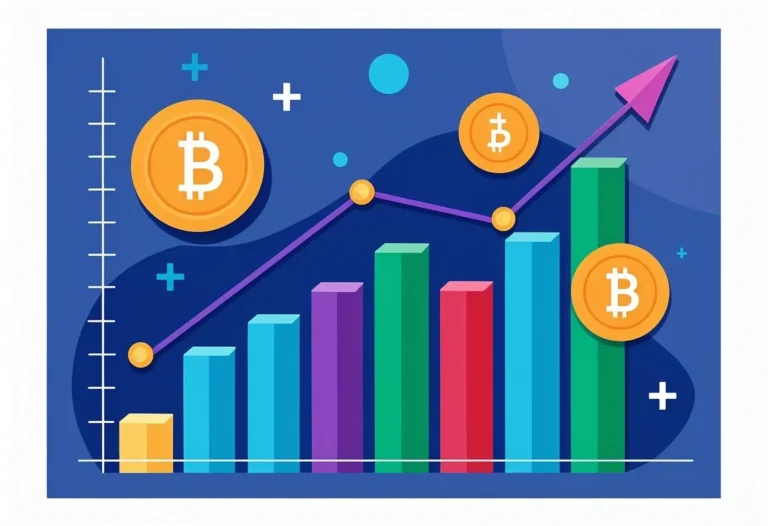
The illicit crypto economy has seen explosive growth, particularly linked to sanctioned stablecoins. Recent statistics indicate that illicit crypto activities have reached an all-time high, with a surge to approximately $158 billion in illegal transactions within a year, highlighting a concerning trend fueled by innovative payment methods (TRM Labs).
Alternative payment systems like A7A5 offer avenues for these illicit transactions to occur with a level of anonymity that traditional institutions cannot provide. As a result, alternative platforms are quickly gaining traction among users engaging in activities that traditional finance would deem illegal or high-risk. This evolving landscape raises urgent concerns about enforcement and surveillance within the crypto sector.
Recent analyses reveal that wallets linked to the A7 network alone accounted for at least $39 billion, illuminating the extent to which these stablecoins contribute to the growing illicit economy. Such figures are alarming and underscore the necessity for regulatory bodies to develop frameworks that can effectively address the complexities of these operations while safeguarding legitimate crypto activities.
The Evolution of Sanctions and Crypto
Sanctions have significantly impacted the adoption and development of sanctioned stablecoins. Initially conceived to restrict unauthorized flow of funds, sanctions have inadvertently promoted the shift from traditional finance to crypto ecosystems for targeted entities. As a result, sanctioned stablecoins have allowed for a more agile approach to navigating global trade restrictions, enabling entities to conduct activities that might otherwise be hampered.
This transition has profound implications for global trade. With the ability to conduct transactions globally without reliance on traditional banking systems, entities can engage in commerce with fewer obstacles. As governments restrict access to financial markets in response to regulatory or political pressures, sanctioned stablecoins effectively bridge the gap, showcasing the evolving dynamics of finance and trade in the modern context.
The Impact of A7A5 on Financial Systems
The A7A5 stablecoin carries immense influence within Russia’s financial landscape, demonstrating how sanctioned stablecoins can effectively integrate into national economic frameworks. Since its inception, A7A5 has facilitated substantial flow volumes and become entwined in the dynamics of Russia’s financial infrastructure.
For instance, following Western sanctions against Russia after the invasion of Ukraine, opportunities for traditional financial networks diminished. As a response, A7A5 emerged as a critical alternative that significantly aided sanctioned companies, fostering a shadow financial system that allows commerce to continue despite regulatory hurdles (A7A5 Analysis). This scenario reveals a pressing concern regarding sanctions evasion and the potential consequences for global financial stability, as reliance on such stablecoins could undermine efforts to hold designated entities accountable for their actions.

The Response of Regulatory Bodies
Regulatory bodies worldwide are increasingly focused on addressing the challenges posed by sanctioned stablecoins. Various governments are developing strategies to mitigate risks while preserving innovation within the crypto sector. There is a pressing need for international cooperation to tackle abuses and prevent illicit financing through stablecoins.
Potential regulatory frameworks could include improved tracking and transparency measures that help identify the flow of funds linked to sanctioned entities. These proactive measures aim to ensure that responsible actors in the crypto economy can operate with clarity, while measures are enforced against misuse. As regulatory bodies navigate this uncharted territory, the execution of such frameworks will be pivotal in shaping the future of sanctioned stablecoins and their role in the global financial ecosystem.
Future of Sanctioned Stablecoins in the Financial Ecosystem
Looking ahead, the potential for growth and development of sanctioned stablecoins remains significant within the crypto economy. As global dynamics shift and new regulatory measures emerge, stakeholders must adapt and prepare for an evolving landscape. Trends may emerge that further blur the lines between sanctioned activities and legitimate stablecoin operations.
Analysts are already speculating on how these developments may unfold. For instance, as recent insights suggest, the volumes relating to A7A5 might increasingly represent not only sanctions evasion but sanctioned activity more broadly, indicating a shift in how these entities operate within the economy. Stakeholders in both financial sectors, including traditional banking systems and crypto entities, will need to navigate this complexity to ensure continued viability and compliance in their respective activities.
As the interaction between sanctions and crypto evolves, recognizing these shifts will allow stakeholders to better position themselves for the future, ensuring their responsiveness to an array of challenges presented by sanctioned stablecoin activities.
About The Author