
As we navigate the complex landscape of cryptocurrencies, understanding the future of crypto is essential. With the ongoing economic downturn impacting investments, we must recognize emerging market trends that shape this volatile environment and their implications for our financial strategies.
The Importance of Assessing Crypto’s Future
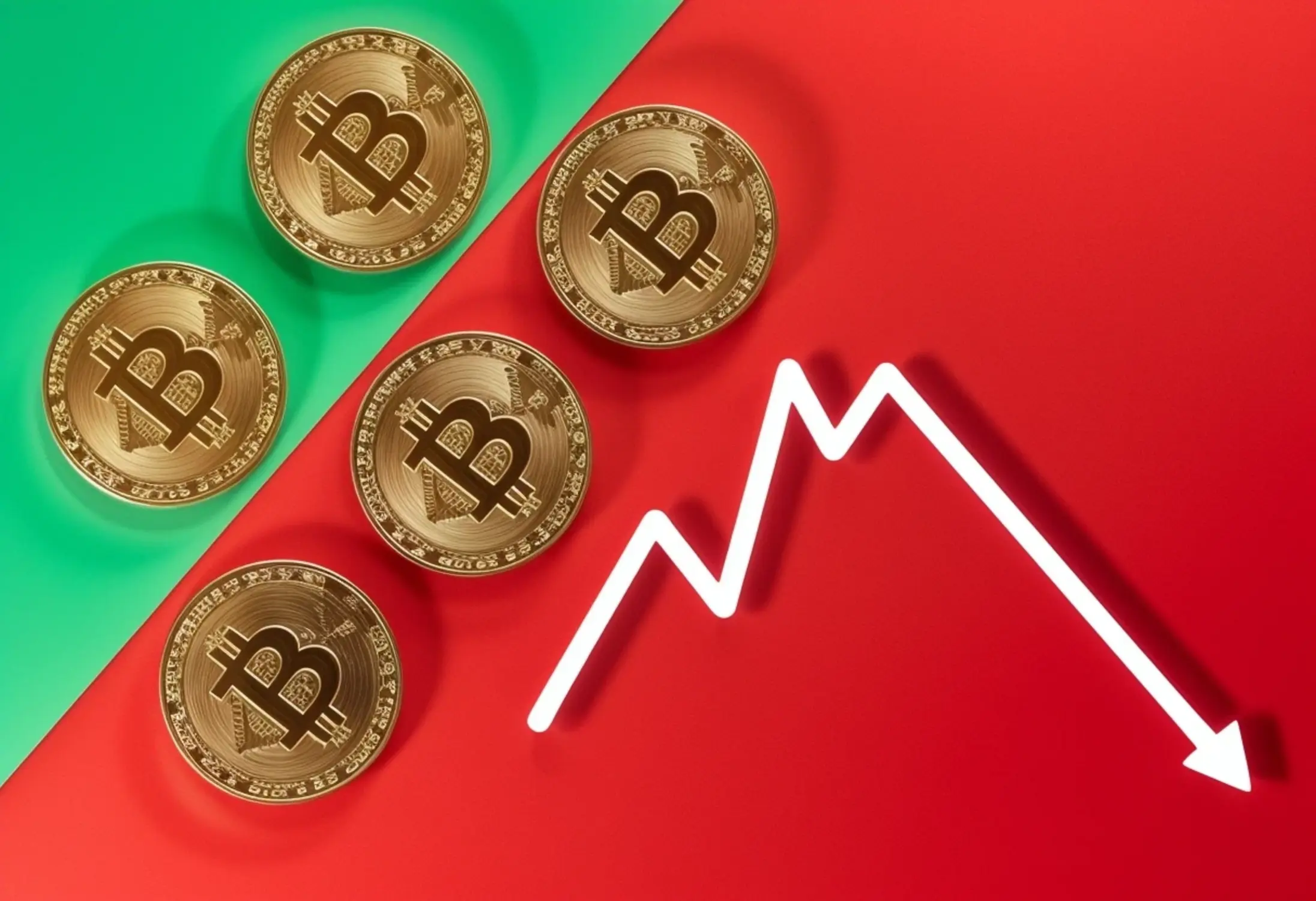
The current economic downturn has profound implications for the future of crypto. Recognizing how broad economic challenges affect crypto prices is crucial for investors. With major economies facing inflation and interest rate hikes, the sentiment surrounding crypto has turned cautious. Investors are showing a greater preference for assets perceived as stable during turbulent times. However, contrary to popular belief, the cultural shift in retail investment habits might not spell doom for cryptocurrencies. Studies show that crypto remains an adaptable asset class, potentially evolving in response to market pressures and changing investor preferences according to recent reports.
Current Dynamics Influencing Crypto Investment
Consumer preferences are shifting dramatically in today’s investment landscape, particularly towards equities and options. As more retail investors refine their strategies, platforms like Robinhood and Coinbase have reported a significant decline in crypto transaction revenues. For instance, Robinhood’s earnings report highlighted a drop in crypto revenue by 38%, which occurred amid a 27% increase in total net revenues (to $1.28 billion) as it diversifies into more traditional investment options. This juxtaposition illustrates how the landscape for retail trading is evolving, emphasizing equities over cryptocurrencies, as noted. Meanwhile, institutional investors continue to assert their dominance in the crypto scene, highlighting a growing divide in market participation.
How Economic Downturn Affects Market Trends
The correlation between economic indices and crypto values is increasingly evident. As inflation rises, many investors reassess their risk tolerance and adjust their portfolios accordingly. Historical data indicates that crypto markets often react to economic downturns with volatility. In such times, assets are treated like flight benefits, where traditional stocks are often prioritized over higher-risk investments like cryptocurrencies. The impact of increasing inflation, along with interest rate adjustments, influences investment choices, pushing many to safer waters. Understanding these trends is vital for anyone looking to navigate the future of crypto.
Institutional Trading’s Resilience in Crypto
Interestingly, while retail investor interest in cryptocurrencies declines, institutional trading is experiencing a resurgence. The growth of institutional investments signifies a shift in market dynamics that may help stabilize crypto values. Institutions benefit from advanced analytics and larger capital reserves, enabling them to navigate market fluctuations with greater agility. This trend suggests an increased confidence in crypto as a long-term investment, even during turbulent times. With institutions continuing to invest actively, the overall health of the crypto market might not be as dire as it appears.
Implications of Retail Interest Decline
The significant drop in retail trading participation raises questions about the future of crypto platforms. As retail investors taper their involvement, companies must reassess strategies aimed at attracting and retaining this segment. With platforms like Robinhood and Coinbase reporting declines in user activity, adjustments may be necessary. Innovative promotional efforts and educational outreach could counteract this trend. Moreover, establishing stronger community engagement can stimulate interest and participation in the long term.
Strategic Approaches to Future Crypto Investments
Investors can take proactive steps by diversifying their crypto portfolios. Recognizing potential opportunities amidst changing market trends is crucial for future success. Educational resources can help investors stay informed about emerging blockchain innovations beyond just currency applications. By engaging with a broader range of digital assets, investors may uncover new revenue streams. Adapting to market fluctuations will require flexibility and a willingness to innovate within the investment strategy.
Preparing for an Evolving Crypto Environment
Investors must adapt to an ever-evolving crypto environment that demands resilience and adaptability. Understanding long-term implications for crypto regulations is crucial. As governments take a closer look at cryptocurrencies, the potential for stricter regulations can change the dynamics of the market. Continuous education on developments within the crypto sector will be vital for maintaining a competitive edge. By being proactive and well-informed, investors can navigate the complex terrain of cryptocurrency investments amidst the uncertainty of potential economic downturns.
About The Author