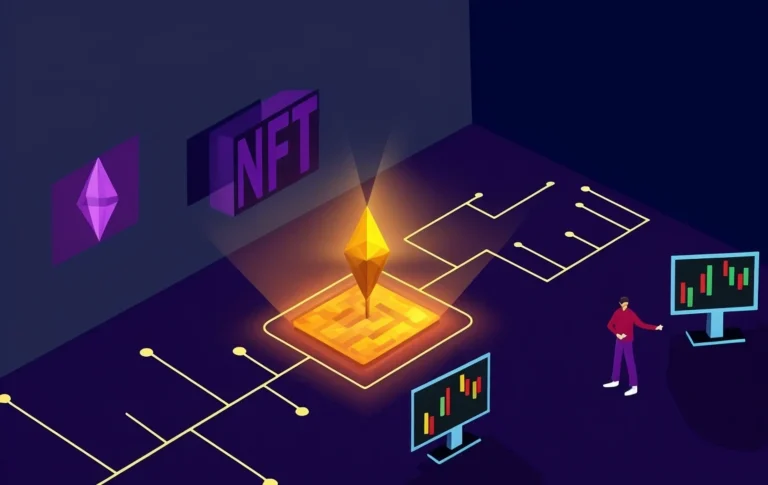
The emergence of blockchain technology is set to revolutionize financial markets, reshaping how we manage traditional assets and facilitating crypto innovation. Understanding its impact is crucial for navigating the evolving landscape that affects our financial futures.
Current Impacts of Blockchain Technology on Financial Markets
Blockchain technology influences transactions and trading across various financial markets. Its decentralized nature allows for peer-to-peer transactions, eliminating intermediaries like banks and exchanges. As industry experts note, this shift increases transaction speed and reduces costs, particularly noticeable in cross-border payments.
Moreover, financial institutions are adopting blockchain for its enhanced security features. Every transaction on a blockchain is recorded in a way that makes it nearly impossible to alter. This integrity builds trust, which is essential in financial dealings. For example, platforms like Ripple use blockchain to facilitate secure and immediate transactions for banks, highlighting an impressive transformation in efficiency.
Further, smart contracts—self-executing contracts with the terms of the agreement directly written into code—are changing how agreements are enforced. These smart contracts minimize fraud risk and can automatically execute trades when predefined criteria are met, fostering a highly efficient trading environment.
Tokenization’s Role in Modern Finance
Tokenization is redefining ownership by converting physical assets into digital tokens on a blockchain. This process allows for fractional ownership. For instance, an expensive piece of art can be tokenized, enabling multiple investors to own a portion of it, thus reducing barriers to entry for individual investors.
The benefits of fractionalized assets are considerable. Investors can diversify their portfolios without the need for significant capital. This democratization of investment opens new avenues for wealth accumulation. As reported, companies are increasingly exploring tokenized assets, with real estate and fine art being at the forefront of this movement.
Recent case studies illustrate the impact of tokenization. Platforms enabling the sale of fractions of luxury items have emerged, demonstrating the appeal of such ownership models. Investors can now access markets previously restricted to only the wealthy, showcasing how tokenization aligns with modern financial strategies.
The Shift from Traditional Assets to Digital Innovations
There’s an observable shift from traditional asset reliance towards digital investments powered by blockchain technology. This transformation has implications for investment strategies, as digital assets offer high liquidity and accessibility compared to conventional stocks or bonds.
The growing acceptance of cryptocurrencies and blockchain-based assets signifies a declining reliance on traditional assets. With platforms facilitating the easy exchange of such digital assets, the landscape of investment is evolving. For instance, crypto exchanges have seen exponential growth, attracting a new generation of investors who prefer flexible trading hours and the potential for rapid returns.
Investor behaviors are changing. Data indicates that millennials and Gen Z investors are more inclined to explore alternative investments like cryptocurrencies rather than sticking solely to stocks or mutual funds. Such shifts demand rethinking investment strategies that previously depended on classical assets.

Crypto Innovation and Its Reshaping of Financial Systems
Recent crypto innovations are significantly relevant to today’s financial systems. Technologies such as decentralized finance (DeFi) have emerged, allowing users to lend, borrow, and trade without intermediaries. The rise of DeFi has attracted attention for its potential to increase access to financial services globally.
Successful crypto projects serve as case studies showing the transformative potential of this space. For instance, Aave and Uniswap offer innovative solutions that empower users to participate in the financial system without traditional banks. As a result, a broader demographic is becoming engaged in investing activities.
Additionally, financial entities like Revolut are navigating this landscape by expanding their services to include cryptocurrency trading. Recent reports indicate that Revolut filed for a U.S. banking license, a strategic move allowing it to tap directly into payment networks like Fedwire and ACH, enhancing its reach in the U.S. market while blending traditional and digital finance (CoinDesk).
Regulatory Changes Affecting Blockchain Adoption
Regulatory updates play a pivotal role in shaping the financial landscape for blockchain technology. Governments worldwide are recognizing the need to establish frameworks that promote innovation while ensuring consumer protection. Recent regulations encourage the establishment of clear guidelines on how cryptocurrencies and blockchain technologies can be utilized within existing legal infrastructures.
For instance, compliance with regulations is essential for blockchain innovators to build trust with users and investors. As reported, significant advancements have been made in regulatory clarity, fostering an environment where cryptocurrencies can operate legally and transparently. This compliance ensures that reputable companies can flourish while minimizing risks associated with fraud and illicit activities.
Understanding these regulatory changes allows investors and businesses alike to navigate the complexities of blockchain adoption effectively. A solid grasp of compliance will be essential for market participants as innovations in blockchain technology continue to evolve.
Strategies for Leveraging Blockchain in Investments
Investors looking to engage with blockchain technology should consider several strategies. Start by educating yourself about the distinct features and benefits of blockchain, focusing on its potential to disrupt traditional financial models. Understanding aspects like security, decentralization, and transparency can enhance decision-making.
Identifying opportunities in emerging sectors within finance is another crucial step. As the popularity of tokenization and DeFi increases, investors can capitalize on these innovations by diversifying their portfolios to include blockchain-based assets. Moreover, following reports on successful crypto ventures can lead to informed investment choices.
Finally, actively participate in communities focused on blockchain technology. Engaging in discussions, attending webinars, and joining forums can provide insights into industry trends. By building knowledge around blockchain, investors can make informed and strategic decisions, setting themselves up for success in this quickly evolving landscape.
About The Author