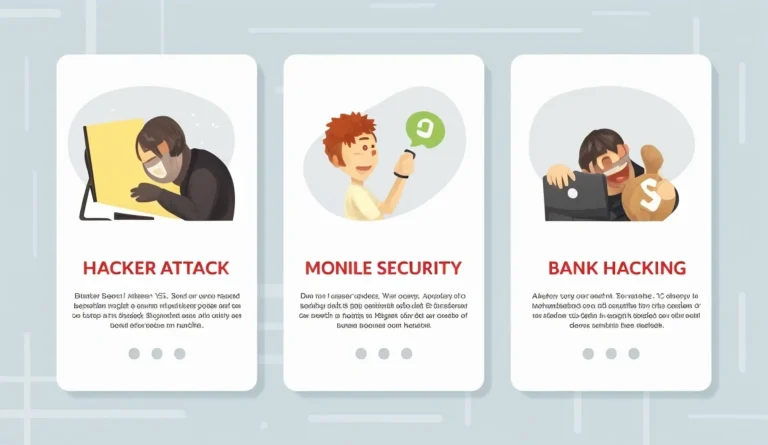
The landscape of decentralized finance (DeFi) is rapidly evolving, and with it comes the looming threat of crypto theft. Understanding this pressing issue is crucial now as it could reshape security protocols and investor trust in the future.
The Emerging Threat of Crypto Theft
Crypto theft is altering how investors perceive DeFi. As more incidents of hacking come to light, individuals become increasingly wary about the safety of their investments. The rise in hacking incidents that target DeFi projects highlights an urgent need for improved security measures. Recent studies indicate that more than 60% of DeFi hacks exploit vulnerabilities in smart contracts, revealing a significant loophole in the technology itself. As recent reports suggest, understanding these vulnerabilities is essential for the future security of DeFi.
Moreover, the decentralized nature of blockchain technology, while intended to enhance security, also presents unique challenges. These challenges include the lack of regulatory oversight, which allows hackers to thrive and diminish user trust significantly. As investors become more aware of the potential threats, the need for robust security solutions has never been more pressing. This awareness brings with it a paradigm shift where security becomes a core focus for platforms and users alike.
Impacts on DeFi Ecosystems
The ramifications of hacking incidents can be devastating for DeFi platforms. The fallout from recent high-profile hacks has prompted many platforms to reevaluate their security protocols. For instance, after the major incident involving a prominent DeFi platform, user numbers plummeted by nearly 30%, underscoring the impact of theft on user confidence and market stability. This decline emphasizes that security breaches not only affect individual projects but can ripple through the entire ecosystem.
Case studies like the hack of the decentralized exchange Uniswap illustrate how vulnerabilities can drain millions in seconds, causing widespread panic among investors. Such events signal a critical need for enhanced security measures and further innovation in protocols to prevent future theft. As industry experts note, a proactive approach must become standard to avoid similar incidents in the future.
Security Challenges in Crypto Exchanges
Crypto exchanges play a crucial role in the security of digital assets. Various security measures have been implemented by exchanges, including cold storage solutions, multi-signature wallets, and two-factor authentication. However, these measures are often inadequate, as evidenced by the recent spate of thefts from several major exchanges. For instance, following a security breach, one exchange reported losses exceeding $50 million, indicating that theft incidents often expose serious weaknesses in exchange security.
As attacks grow more sophisticated, what are platforms doing to enhance security? Some are collaborating with cybersecurity firms to develop advanced solutions, while others are prioritizing user education about securing their accounts. The combination of enhanced technology and informed users stands as the cornerstone of a more secure exchange environment.
User Behavior and Response to Threats
User behavior in DeFi is shifting dramatically due to the increasing occurrence of crypto theft. Many investors are re-evaluating their strategies, opting for more secure alternatives amid growing concerns over safety. The realization that money is susceptible to theft prompts users to adopt more cautious approaches, such as diversifying their portfolios and using hardware wallets for storage.
Furthermore, there is an escalating conversation about the importance of security education among users. More platforms are investing in educational resources to equip users with the knowledge necessary to navigate the evolving landscape securely. Equipped with this understanding, users can make informed decisions that mitigate the risks associated with crypto theft.

Steps to Enhance Security in DeFi
As the threat of theft looms, several recommended practices can help safeguard assets in decentralized finance. These practices include employing robust password protocols, utilizing decentralized storage solutions, and implementing community-driven security audits of smart contracts.
The role of community engagement cannot be understated. By fostering a collaborative environment, users can contribute to enhanced security standards through feedback and shared experiences. Technical solutions such as formal verification of smart contracts can also help minimize risks associated with vulnerabilities in the code. These proactive steps lay the groundwork for a safer DeFi landscape, as the community prioritizes security.
Future of Security in Decentralized Finance
The future of DeFi security hinges on learning from past theft events. Investors and platforms are likely to adopt more stringent measures, with proactive security becoming a competitive advantage. The potential for transformative regulatory changes may emerge as sectors grasp the gravity of security vulnerabilities. If the DeFi industry embraces this pivotal moment, it can evolve into a more secure environment for all participants.
In conclusion, while the threat of crypto theft poses significant challenges, it also paves the way for innovation and improvement within the sector. By focusing on security and fostering user education, the decentralized finance ecosystem can adapt and thrive despite the challenges that lie ahead.
About The Author