
Ethereum’s resilience amidst significant outflows and market volatility is critical for investors right now. This demonstrates the cryptocurrency’s strength and potential for recovery. Understanding these dynamics enables us to navigate investment risks and capitalize on opportunities in the cryptocurrency market.
The Importance of Ethereum Resilience
Ethereum serves as a critical pillar in the cryptocurrency ecosystem. It powers decentralized applications (dApps) and smart contracts, attracting investors and developers alike. Recent outflow events, notably the staggering $520 million withdrawn from Ethereum, highlight the market’s reactions to economic pressures, such as institutional sell-offs and shifting trends in investor confidence. This resilience can inspire not only a sense of stability among current holders but also engender new interest from potential investors, as it emphasizes the ability of Ethereum to withstand adverse conditions. As stated in a recent report, despite these significant outflows, Ethereum remains positioned as a leading choice in a challenging marketplace.
Context of Recent $520M Outflows
The recent $520 million outflows from Ethereum ETFs raise questions about the underlying sentiment in the cryptocurrency market. This outflow surpasses even Bitcoin’s combined net withdrawals of $410 million, highlighting a cautious stance among institutional investors. These trends indicate a broader reevaluation of positioning within the cryptocurrency ecosystem, where liquidity and fear of further declines often propel selling pressure. Indeed, as institutions react to market volatility, like recent liquidations of over $1 billion in leveraged positions, the implications for Ethereum and its peers are profound. Investors are urged to contemplate the sustainability and implications of such sudden capital shifts.
Current Trends in the Cryptocurrency Market
Latest statistics reveal a notable increase in daily outflows across major cryptocurrencies. Data indicates that Ethereum is facing significant selling pressure alongside Bitcoin and other currencies. Surprisingly, some investors are shifting their focus toward Ethereum compared to alternative coins, suggesting a strategic reallocation of resources. Institutional selling pressure has been prevalent, evidenced by heavy withdrawals from both Bitcoin and Ethereum, leading to concerns about market stability and liquidity pools. While investors should remain cautious of market downturns, monitoring these shifts is crucial for evaluating future investment strategies.
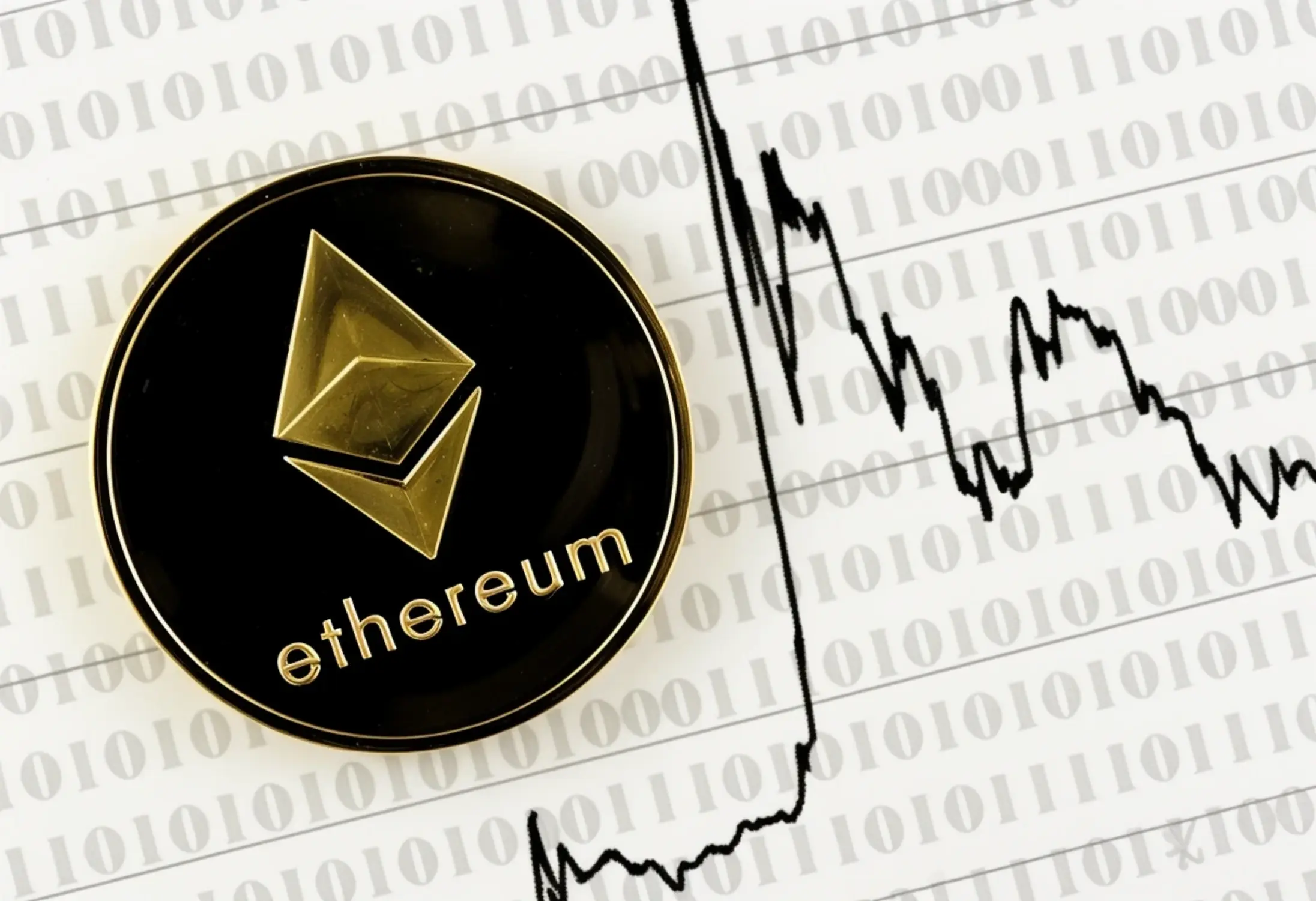
Insights from Historical Performance
Historically, Ethereum has shown remarkable resilience through turbulent market conditions. Since 2018, it has successfully rebounded from eight major price drops of 50% or more. This historical performance paints a picture of potential recovery, encouraging current investors to view recent market dynamics optimistically. Additionally, over 30% of ETH’s liquid supply is currently locked in staking processes, further enhancing its scarcity within the market. Industry experts like Tom Lee from Fundstrat emphasize that such characteristics could help Ethereum navigate future challenges effectively. According to a recent analysis, the implications of dwindling liquid supply influence investor sentiments and strategies.
Implications of Liquidations on Market Dynamics
Recent case studies of liquidations indicate profound changes in Ethereum’s market dynamics. The $1 billion in liquidations across the broader cryptocurrency market illustrates the fragility of leveraged positions, especially during volatility. Understanding how these factors affect Ethereum is vital for investors looking to refine their strategies. As investors face the pressure of market fluctuations, it is essential to consider how volatility serves both as a risk and an opportunity. Strategic adjustments, especially in response to liquidity changes, could determine future positions in Ethereum and its competitors.
Future Opportunities for Investors in Ethereum
With the current market sentiment, investors have numerous strategies to navigate associated risks. Selective accumulation of Ethereum presents a potential long-term investment Avenue. Understanding staking dynamics can play a crucial role in making informed decisions. It’s essential for investors to remain aware of market shifts, including changes in institutional sentiment and the positioning of alternative assets. As the ecosystem evolves, keeping a finger on the pulse of Ethereum’s development can lead to fruitful opportunities and improved investment strategies.
About The Author