
Bitcoin’s price decline is a pivotal moment for the global economy, affecting more than just cryptocurrency investors. As we observe shifting market trends, understanding these implications is crucial for everyone, from policymakers to everyday consumers.
Economic Impact of Bitcoin Price Decline
The economic impact of Bitcoin price decline is profound, influencing economies across the globe. When Bitcoin prices fall sharply, it doesn’t just affect the crypto market; it ripples through various economic sectors. For instance, many investors, who previously viewed Bitcoin as a safe asset, may shift to more traditional investments. This behavior can distort market dynamics and lead to increased volatility in stock markets, fundamentally altering consumer confidence.
Moreover, as Bitcoin’s price declines, consumers often tighten their spending. This change is partly due to uncertainty surrounding financial assets linked to cryptocurrencies. According to recent reports, retailers may experience a dip in sales as consumers begin to conserve cash rather than invest in volatile assets. Emerging markets that rely heavily on Bitcoin for trading could also suffer, lacking the economic stability needed to weather such downturns. The potential for a broader economic slowdown becomes apparent when these factors are critically assessed.
Cryptocurrency Market Dynamics
Amidst the cryptocurrency market dynamics, Bitcoin’s price decline has triggered a series of reactions throughout the market. Other cryptocurrencies often follow Bitcoin’s lead; this correlation means the decline can result in a cascading effect. For example, Ethereum and Litecoin frequently see their values drop when Bitcoin prices plunge, signifying a heightened sensitivity among stakeholders to Bitcoin’s performance.
Market sentiment plays a critical role in these dynamics. Investors gauge their confidence based on Bitcoin trends, and a falling price can lead to panic selling or a complete exit from the market. As industry experts note, understanding these reactions can help investors navigate the turbulent waters of the cryptocurrency market during downturns.
Financial Stress and Bitcoin as an Indicator
Bitcoin often serves as a leading indicator of broader financial stress in the economy. Historically, the correlation between Bitcoin’s price and traditional financial market indices reveals insights into overall market health. For instance, a significant drop in Bitcoin prices can foreshadow downturns in stock indices such as the S&P 500. Investors typically view these trends as alarming signs, indicating potential financial strain.
Furthermore, the financial stress tied to Bitcoin’s price can affect investor behavior. Many see Bitcoin as a hedge against inflation and economic instability. When prices fall, it signals to investors that they may need to reevaluate their portfolios, leading to a shift in investment strategies and potentially resulting in a broader financial panic.
The Future of Cryptocurrency Regulation
As Bitcoin’s price continues to decline, the future of cryptocurrency regulation comes into sharper focus. Governments may consider more stringent regulations as a response to the financial chaos triggered by Bitcoin’s downturn. This regulatory landscape aims to stabilize markets and ensure consumer protection in an increasingly volatile environment.
Policymakers will likely implement measures designed to increase transparency and boost confidence among investors. Without appropriate regulations, market participants may feel vulnerable, risking further declines in investment and exacerbating market instability. The importance of regulation cannot be overstated; it creates an environment where both consumers and businesses can operate with a degree of assurance.
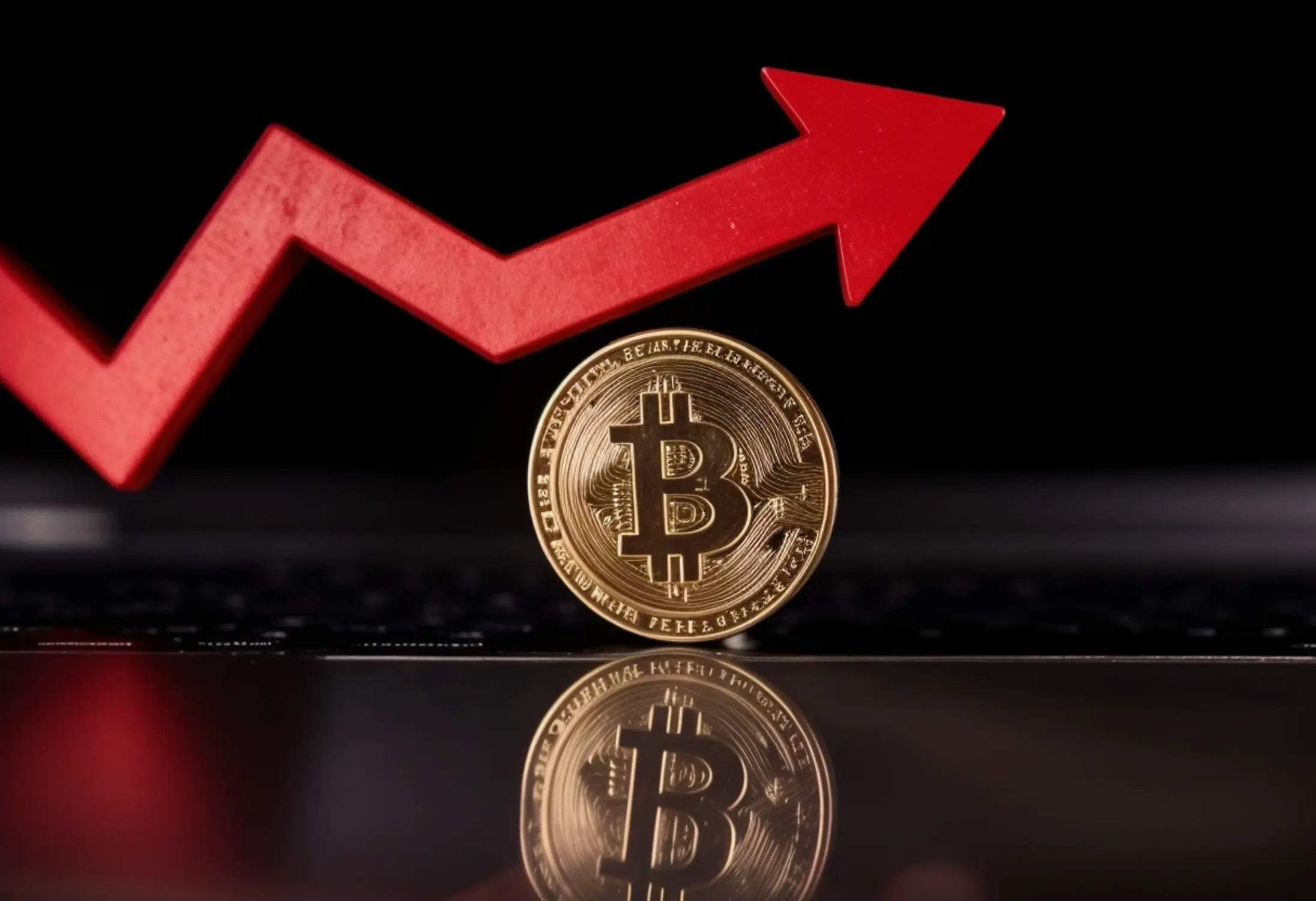
Strategies for Navigating the Bitcoin Price Decline
In light of the Bitcoin price decline, investors need to adopt practical strategies to navigate this challenging landscape. Consider leveraging diversification as a method to minimize risk exposure. By spreading investments across various asset classes, including equities and bonds, investors can shield themselves from volatile markets.
Furthermore, adjusting financial strategies is essential. Investors should remain vigilant, continuously monitoring market sentiment and economic indicators to make informed decisions. Tips for consumers include setting budget limits and exploring alternative investments. Being financially resilient during turbulent times can build long-term stability and foster a sense of preparedness.
Global Economic Repercussions
The global economic repercussions of Bitcoin’s price dynamics are likely to be significant and wide-ranging. Emerging markets that invested heavily in Bitcoin may face serious fallout due to the sudden devaluation of their crypto assets. Economic forecasts suggest these countries might struggle more than developed nations to recover from such downturns.
In the long term, the changes wrought by Bitcoin’s behavior could reshape international finance entirely. If consumers and investors increasingly treat Bitcoin as a risky asset, then the momentum towards mainstream adoption may wane, leading to a stagnation of crypto innovation. Understanding these repercussions is vital, as they could redefine financial ecosystems around the world for years to come.
About The Author